How to Choose Industrial Manufacturing Equipment

Choosing industrial manufacturing equipment is not simply a matter of comparing price tags. The right machine must fit the product, production volume, available floor space, and workers’ skills. A fast line can still disappoint if changeovers take hours or spare parts are hard to obtain. Small details matter.

Deloitte and the Manufacturing Institute’s 2024 Smart Manufacturing and Operations Survey found that 86% of surveyed manufacturing executives expect smart manufacturing solutions to be important drivers of competitiveness over the next five years. That expectation is not a guarantee of payback. Buyers still need to test whether automation, connectivity, and advanced controls solve real production problems. A feature-rich machine may add complexity without improving output.

Taiichi Ohno, a leading figure in Toyota’s production system, wrote, “Where there is no standard, there can be no kaizen.” His point applies to equipment choices: stable processes and clear performance measures help teams judge whether a machine truly improves work. This guide examines practical selection criteria, including capacity, accuracy, energy use, maintenance access, safety, supplier support, and total cost of ownership. It also considers installation and operator training, which are easy to underestimate during purchasing. No single model suits every plant. A careful evaluation can reduce costly mismatches, but forecasts still involve uncertainty. That deserves a second look.
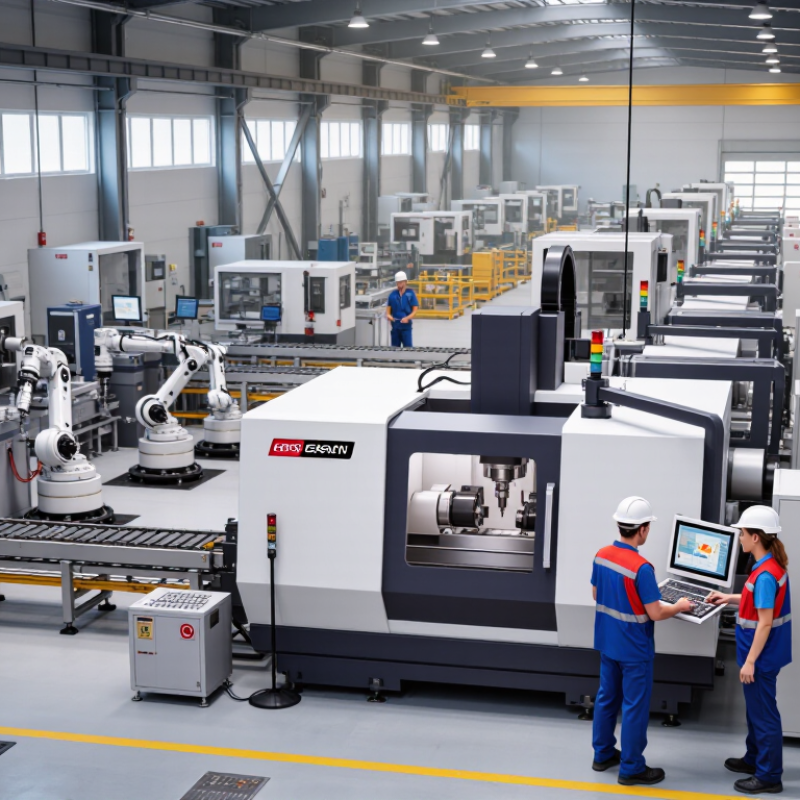
How to Choose Industrial Manufacturing Equipment

Define Production Requirements and Operating Conditions

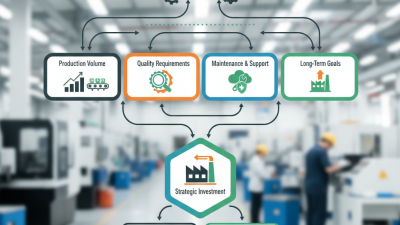
Before comparing machine capacity, write down the actual production job: parts per hour, product mix, tolerance, changeover frequency, and required uptime. Separate normal output from short peaks. A line built for peak demand may sit underused, while one sized to averages can become a bottleneck during seasonal orders. Be specific. “High throughput” is not a useful specification.

Record operating conditions at the machine location, not just in the building plan. Note temperature swings, dust, washdown exposure, floor vibration, available power, compressed-air pressure, and space for maintenance access.

The International Energy Agency’s Energy Efficiency 2023 report estimates that industry accounts for about 37% of global energy use, so compare equipment energy demand at your expected duty cycle. The U.S. Energy Information Administration’s 2018 Manufacturing Energy Consumption Survey reported roughly 21 quadrillion Btu of manufacturing energy consumption.

These broad figures do not predict one factory’s bill, but they underline why utility capacity and energy use belong in the specification. A spreadsheet can still miss a sticky valve or a winter air leak. Check the site, then revisit the assumptions with operators; they often know where the plan is optimistic.

Identify Equipment Types and Process Compatibility

Industrial equipment should be matched to the work, not chosen by category alone. A mixer, press, cutting system, or packaging machine may sound suitable, yet still conflict with the material or production sequence. Define what enters the machine, what must leave it, and the required output per shift.

Note material size, temperature, moisture, viscosity, and acceptable variation. These details shape equipment choices more reliably than a headline capacity figure.

Check how the machine fits the full process. A fast unit can create a bottleneck if the next station runs slower.

Confirm feed method, discharge height, available floor space, and connections for power, air, water, or extraction. Small details matter.

Ask for a demonstration using representative material, not an ideal sample. Measure changeover time, reject rate, and cleaning effort during the trial.

Review maintenance access and operator safeguards, too. A tidy specification sheet may overlook awkward loading or hard-to-reach service points. That gap deserves attention.

Requirements also change, so leave room for realistic product variation without paying for features the process will rarely use. Record assumptions and unresolved questions before comparing proposals.

Compare Capacity, Precision, and Automation Options

Choosing industrial manufacturing equipment starts with matching capacity to real demand, not an optimistic forecast. Check hourly output, shift length, and the time needed for changeovers. A machine rated for 500 parts per hour may produce less when operators load materials by hand. Ask for trial data using materials and tolerances similar to yours. Small details matter.

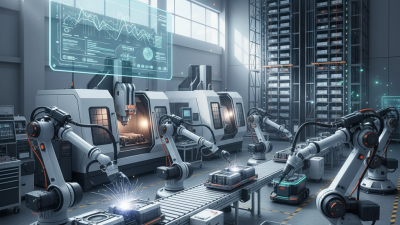
Precision should fit the product’s actual requirements. Review repeatability, measurement methods, and performance across a full production run. A tight tolerance can raise costs and increase scrap if upstream processes vary. Automation deserves the same practical check. Sensors, robotic loading, and automatic inspection can reduce repetitive handling, but they also need maintenance, training, and dependable part feeding. More automation is not always better. I have seen a simple loading bottleneck limit an otherwise capable line.

Tips: Compare usable output, not just rated speed. Request sample measurements and a written maintenance schedule. Check whether operators can clear common jams safely. Leave room for future upgrades, but be honest about staffing and floor space. One overlooked issue: noise near inspection stations can make communication difficult. Measure it during a realistic operating cycle.

How to Choose Industrial Manufacturing Equipment

Compare capacity, precision, and automation options before selecting a machine.

X-axis travel is one practical indicator of machining capacity; the bars show typical planning ranges, not guaranteed specifications. Smaller machines can suit compact parts and tighter floor plans, while larger travel supports bigger workpieces but may require more space and investment. Check the machine’s stated positioning accuracy for precision needs, and compare options such as tool changers, pallet systems, and robotic loading to match the desired level of automation. Actual specifications vary by configuration.

Assess Safety, Compliance, and Total Cost of Ownership

Choosing industrial equipment on purchase price alone can hide expensive risks. The U.S. Bureau of Labor Statistics reported 2.4 recordable injury cases per 100 full-time workers in private industry in 2023. That rate is not machine-specific, but it shows why guarding, emergency stops, noise, and operator access deserve close inspection. Check applicable safety and emissions requirements, and request written conformity documents. Do not rely on a sales presentation.

The financial case matters too. Liberty Mutual’s 2023 Workplace Safety Index estimated that the most disabling workplace injuries cost U.S. employers $58.8 billion annually in direct workers’ compensation costs. Safer design can help limit exposure, though no machine removes every hazard. Ask operators to test routine tasks, such as clearing a jam or changing a tool. Small details matter.

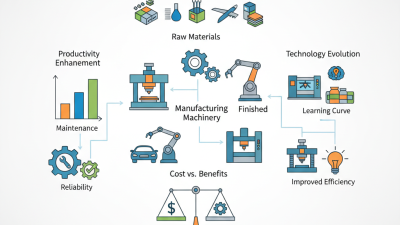
Compare total ownership costs over the equipment’s expected service life: installation, training, energy, tooling, maintenance, downtime, and disposal. Request realistic service intervals and spare-parts lead times, then model a normal year and a difficult one. A low-energy rating may look attractive, but frequent stoppages can erase the savings. I would still question any estimate that assumes perfect uptime. Real production rarely behaves that neatly. Keep the assumptions visible, and review them with maintenance, safety, and finance staff before approving the purchase.

Review Supplier Support, Installation, and Maintenance Needs

When comparing industrial manufacturing equipment, look beyond the purchase price and ask what support comes with it. A machine can arrive on schedule and still sit idle if no technician is available. Ask who handles setup, how quickly support requests are answered, and whether help is available during your production shift. Get these details in writing.

Installation planning should cover floor space, power connections, ventilation, and access for moving the equipment. Have the supplier review your site measurements before delivery. A doorway that looks wide enough on a drawing may not allow room for a pallet jack to turn. Confirm who provides lifting equipment and who checks the machine after setup. Small details matter.

Maintenance support deserves the same scrutiny. Ask for a parts list, service intervals, and instructions for routine checks, such as inspecting belts or cleaning filters. Find out which replacement parts are kept nearby and how long common items usually take to arrive. Training helps, too. Operators should know what warning lights mean and when to stop the machine. Even a careful plan can miss something; review it with the people who will actually maintain the equipment.