What is Manufacturing Machinery and Equipment Used For?
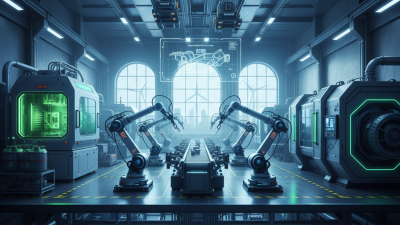
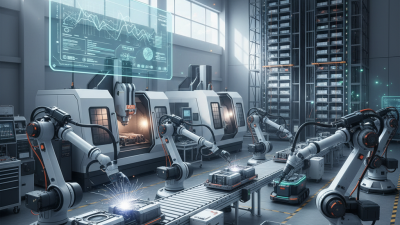
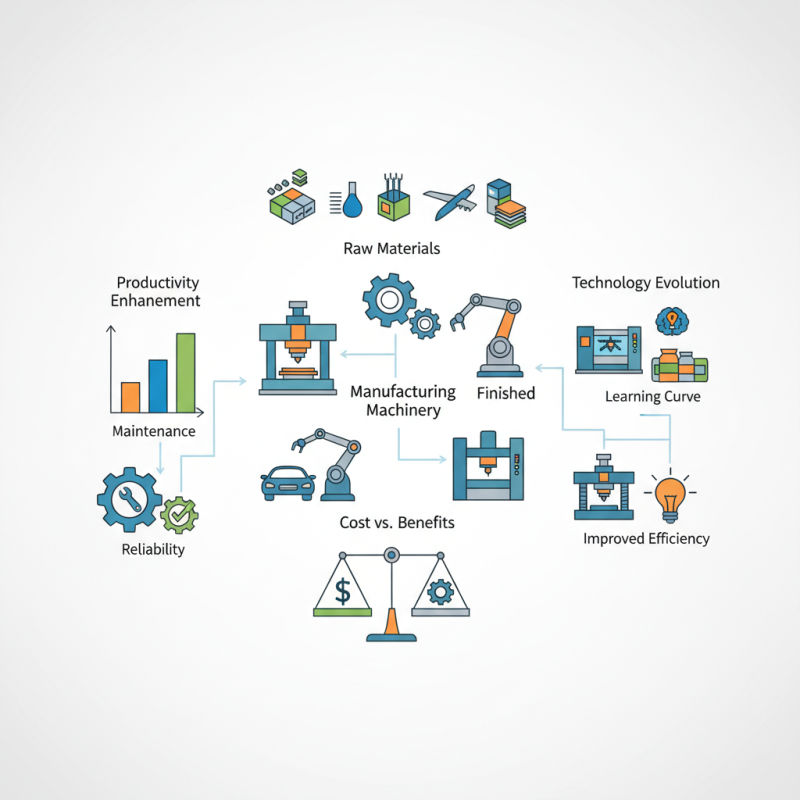
Manufacturing machinery and equipment play a vital role in production processes. They are essential for various industries, including automotive, aerospace, and consumer goods. These machines help convert raw materials into finished products efficiently.
The use of manufacturing machinery and equipment can greatly enhance productivity. However, not all machinery is created equal. Some machines may require frequent maintenance, which can disrupt operations. It's crucial for companies to evaluate their machinery choices carefully. Choosing the right equipment can lead to better outcomes, but poor choices can result in wasted resources.
Moreover, technology is constantly evolving. New equipment may offer improved efficiency, but the learning curve can be steep. Businesses must adapt to keep up. Investing in the latest machinery might not always be feasible for smaller companies. Balancing cost with benefits is a challenge that requires serious reflection.
Definition of Manufacturing Machinery and Equipment
Manufacturing machinery and equipment play a crucial role in various industries. These tools enable the mass production of goods, ensuring efficiency and accuracy. They range from simple devices to complex systems that automate the manufacturing process. This equipment can include lathes, milling machines, and robotic arms. Each piece serves a specific function, streamlining workflows within factories.
The definition of manufacturing machinery and equipment is broad. It encompasses all tools, machines, and devices used in production. This may involve both large machinery for heavy-duty tasks and smaller equipment for precision work. For example, a conveyor belt transports items, while a CNC machine performs intricate cuts. Their effectiveness heavily relies on proper maintenance and skilled operation. However, there can be issues with downtime or malfunctions. These challenges often lead to a need for continuous improvement in both processes and technology. Each manufacturing setup must adapt and refine its approach to stay competitive.
What is Manufacturing Machinery and Equipment Used For? - Definition of Manufacturing Machinery and Equipment
| Category |
Type |
Primary Use |
Examples |
| Processing Machinery |
Lathes |
Shaping metal and wood |
CNC lathes, manual lathes |
| Assembly Equipment |
Robotic Arms |
Automating assembly lines |
Pick and place robots, welding robots |
| Material Handling |
Forklifts |
Transporting materials |
Electric forklifts, pallet jacks |
| Packaging Machinery |
Fillers |
Bottling and canning products |
Liquid fillers, powder fillers |
| Quality Control |
Inspection Machines |
Ensuring product quality |
Vision systems, testing equipment |
Types of Manufacturing Machinery and Their Functions
Manufacturing machinery and equipment play a crucial role in production processes. These machines vary widely. They include
lathes, milling machines, and assembly line equipment. Each type serves a specific function and enhances productivity.
Lathes create precise shapes from materials. They are essential in crafting components.
Milling machines make intricate designs possible. They allow for a high level of detail in manufacturing.
Assembly line equipment streamlines the process. It moves products through various stages of production. Robots are also increasingly common in manufacturing settings. They can perform repetitive tasks with speed and precision. However, reliance on technology may lead to issues. For example, if a machine malfunctions, production can halt entirely.
Human oversight is still necessary to ensure smooth operation.
Maintenance of manufacturing machinery is vital. Regular checks prevent costly downtime. Operators must be trained properly to minimize errors. Investing in training can seem expensive. Yet, it often pays off by reducing mishaps and extending equipment lifespan. Each piece of machinery has its strengths and weaknesses. Understanding these can improve overall productivity in a complex manufacturing environment.
Applications of Manufacturing Equipment Across Industries
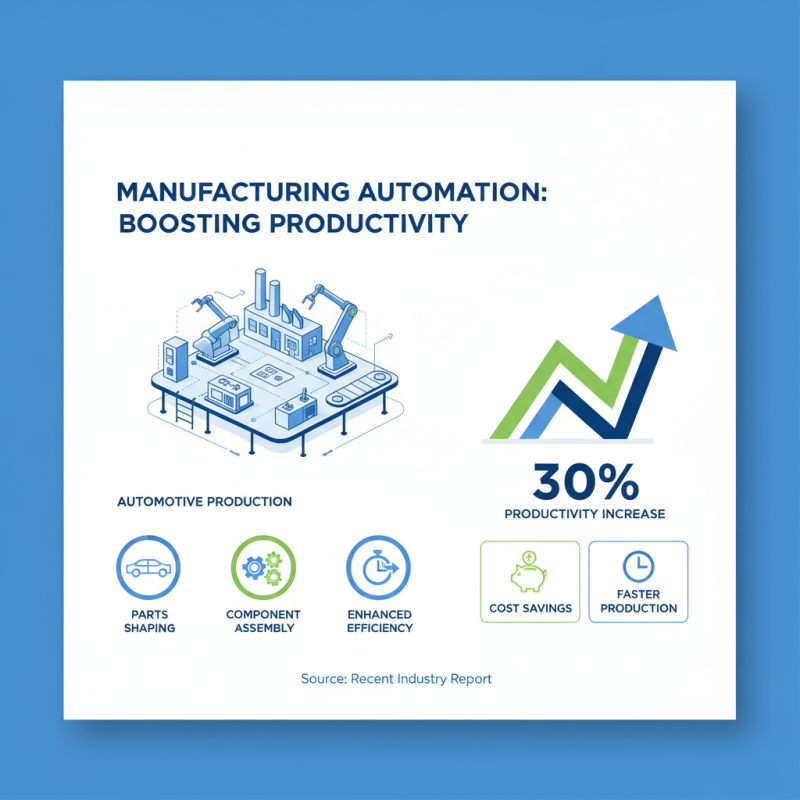
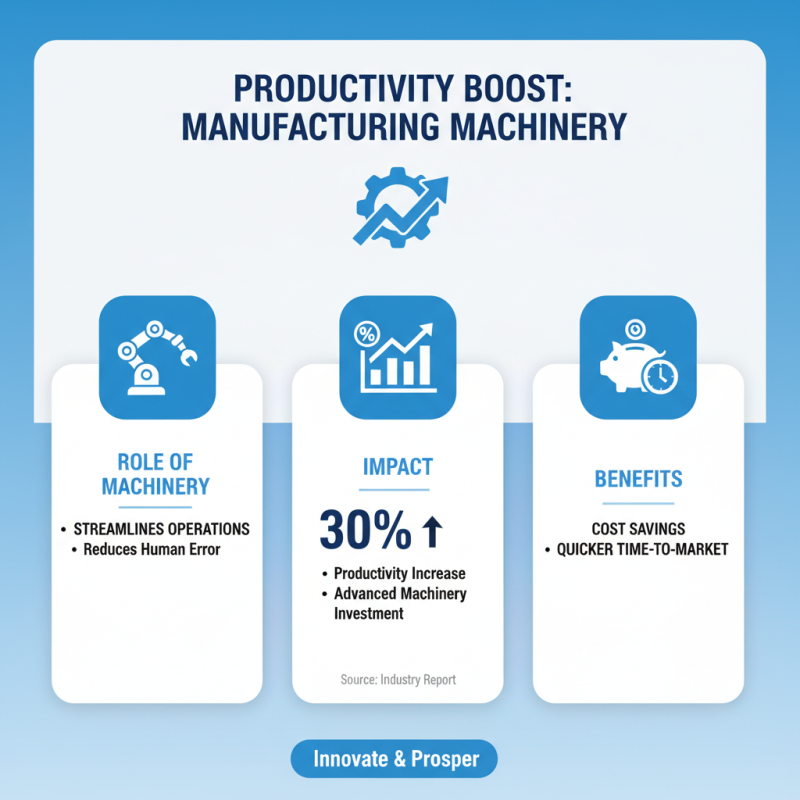
Manufacturing machinery and equipment play crucial roles across various industries. In automotive production, machines shape parts, assemble components, and enhance efficiency. According to a recent report, automation in manufacturing can increase productivity by 30%. This shift leads to significant cost savings and faster production timelines.
In the electronics sector, precise machinery is vital. For instance, surface mount technology machines place tiny components on circuit boards with accurate speed. The demand for such equipment is projected to grow at a compound annual growth rate (CAGR) of 7.5% over the next five years. This rapid growth reflects the technological advances and the need for higher production capabilities.
Tips: Regular maintenance of machinery can reduce unexpected downtimes. Small adjustments may lead to significant improvements. Always assess energy consumption and output efficiency. Enhancing these factors can optimize production.
It’s important to think critically about machinery choices. Not every machine is suitable for every task. The wrong equipment can waste time and money. Flexibility in choosing machines allows for adjustments as market demands change. Evaluate performance continuously for better adaptation to industry shifts.
Future Trends in Manufacturing Machinery Technology
The landscape of manufacturing machinery technology is evolving rapidly. Automation plays a major role in this shift. Robotics and artificial intelligence are becoming increasingly integrated into the manufacturing process. Factories are utilizing machines that can learn and adapt. This shift can lead to increased efficiency and reduced error rates.
However, the integration of advanced technologies comes with its challenges. Workers may need to adapt to new roles that require different skill sets. There's a risk of obsolescence for those who cannot keep up. Moreover, the high initial investment for new machinery can be a barrier for smaller businesses. Companies need to balance these investments with the potential long-term gains.
As we look toward the future, sustainability is becoming a focal point. Eco-friendly materials and energy-efficient machines are gaining traction. Many manufacturers are assessing the environmental impact of their processes. This shift not only addresses ecological concerns but may also enhance brand loyalty. The transition will not be flawless, but it invites a necessary conversation about responsible production.
Future Trends in Manufacturing Machinery Technology