How to Source Quality Manufacturing Machine Parts Efficiently?
Efficiently sourcing quality manufacturing machine parts is a critical challenge in today’s competitive landscape. Businesses must ensure that they obtain reliable components to maintain productivity and minimize downtime. A well-functioning machine relies heavily on its parts, and poor quality can lead to costly delays and repairs. Understanding the nuances of sourcing can make a significant difference.
Many organizations overlook the importance of building relationships with suppliers. While price is crucial, it should not be the only consideration. Trustworthy suppliers can provide insights and support over time. This connection can help in problem-solving and in sourcing harder-to-find manufacturing machine parts.
It's essential to evaluate various sourcing methods. Online platforms offer convenience but may lack the quality assurance of direct manufacturer relationships. However, blindly relying on these platforms can lead to unsatisfactory purchases. Regularly assessing your sourcing strategies can help optimize the supply chain, ensuring that quality remains a top priority.
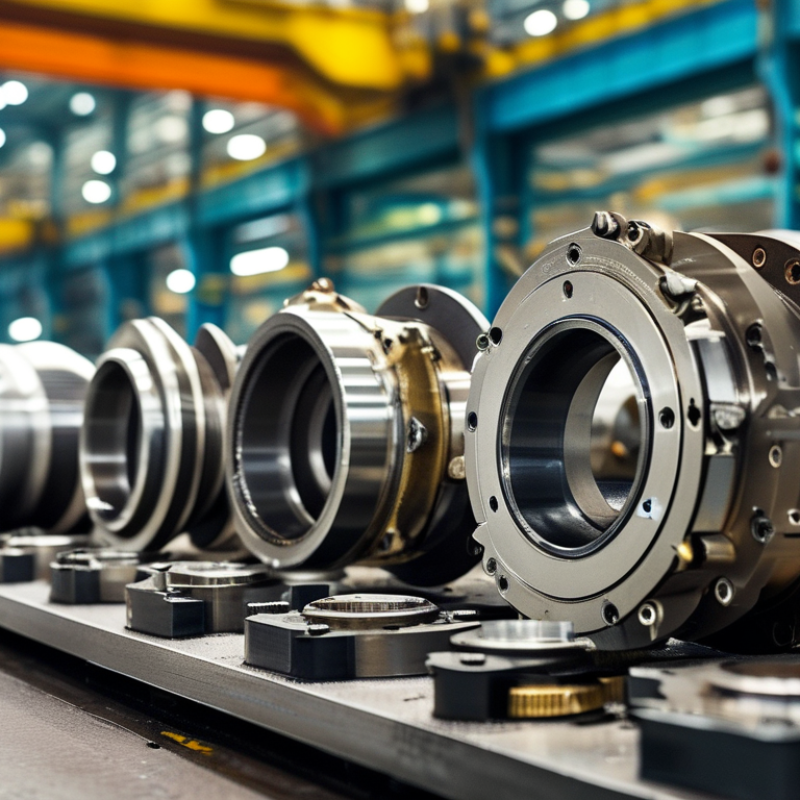
Identifying Your Manufacturing Machine Part Requirements Clearly
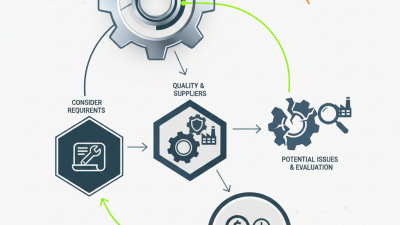
Identifying your manufacturing machine part requirements clearly is essential for sourcing effectively. Start by evaluating your production needs. Consider the specific functionalities, tolerances, and materials required for each part. Documenting these criteria helps streamline the sourcing process. This clarity prevents miscommunication with suppliers. It also ensures that the parts will fit seamlessly into your existing machinery.
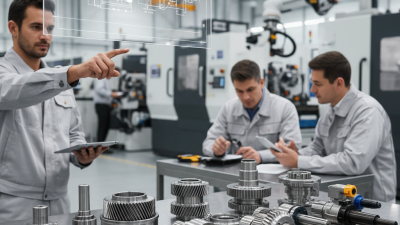
Next, involve your engineering team in this phase. Their insights can highlight additional requirements. You might discover specific performance standards or certifications necessary for your parts. Paint a complete picture, even if it feels overwhelming. Including all details from weight to durability can prevent costly mistakes later. Don't overlook the importance of flexibility; initial requirements may change as prototypes are tested.
Yet, be wary of common pitfalls. Over-specifying can lead to higher costs or difficulties in sourcing. Conversely, under-specifying may result in subpar parts that compromise the production process. Balance is key. Regular reviews of your specification document can help refine your requirements and adapt them as needed. Engaging with your suppliers during this phase can also yield valuable feedback.
Quality Manufacturing Machine Parts Sourcing Analysis
Researching Trusted Suppliers in the Industry
Finding reliable manufacturing machine parts is crucial for efficiency. Researching trusted suppliers can seem daunting. A methodical approach makes it manageable. Start by identifying your specific needs. Define the type of parts required. Gather technical specifications to guide your search effectively.
Utilize industry directories and online marketplaces to create a list of potential suppliers. Pay attention to reviews and ratings from other customers. These insights often reflect the quality of products and customer service. It's helpful to request samples when possible. This allows you to assess material quality firsthand. Keep in mind that not every supplier will meet your standards.
Engage in direct communication with suppliers. Ask insightful questions about their manufacturing processes and quality assurance measures. An experienced supplier should be transparent and willing to share this information. Reflect on your interactions; consider whether they exhibit professionalism and expertise. Building relationships with trusted suppliers can take time, but it is crucial for securing quality parts.
Evaluating Quality Standards and Certifications for Parts
When sourcing manufacturing machine parts, quality standards and certifications are crucial. Experts suggest looking for parts that meet internationally recognized standards.
ISO certifications can be a good indicator of quality. They demonstrate that a manufacturer adheres to strict guidelines in production.
This can provide peace of mind when making purchasing decisions.
However, not all manufacturers may have these certifications readily available. You may encounter situations where a supplier claims compliance but lacks verification.
In such cases, conducting due diligence is key. Requesting documentation and conducting audits can help assess reliability.
Understanding the specific requirements for your industry is vital. Each sector may have different quality benchmarks that must be met.
Being aware of these aspects can save time and costs in the long run. Yet, avoid assuming all certified parts are flawless. Some may still have defects due to production errors.
It’s essential to maintain a critical eye and regularly evaluate the quality of sourced parts. This approach helps ensure that you get the best components for your manufacturing needs.
Quality is an ongoing journey, not just a destination.
Comparing Costs and Lead Times from Multiple Suppliers
When sourcing manufacturing machine parts, comparing costs is crucial. Different suppliers offer varying prices, which can significantly impact your budget. To gather accurate data, create a list of potential suppliers. Reach out to them for quotations based on the same specifications. This helps to ensure you are making an apples-to-apples comparison.
Lead times also play a vital role in the selection process. A low-cost part can become costly if the lead time is extended. Assess each supplier's estimated delivery times closely. Sometimes, a supplier with a higher price may offer faster delivery, saving you from potential delays in your operations.
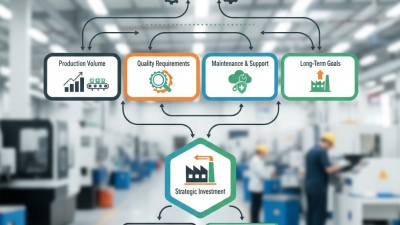
While cost and lead time are critical, other factors deserve attention too. Quality assurance and customer service are equally vital. A low price doesn’t guarantee great parts, and responsiveness can make a big difference. Reflect on previous experiences. Did a low-cost supplier delay your project? Balancing cost, quality, and service is essential for making informed decisions. Seek recommendations or reviews to gauge reliability.
Establishing Long-Term Relationships with Manufacturers
Establishing long-term relationships with manufacturers is crucial for sourcing quality machine parts efficiently. Building trust takes time, effort, and clear communication. Start by providing manufacturers with detailed specifications. When they understand your requirements, the likelihood of receiving high-quality parts increases.
Regular visits to manufacturing sites can yield deep insights. Observing operations helps identify potential issues early. Show commitment by discussing long-term goals. It demonstrates you're not just a one-time buyer; it fosters a partnership mindset. However, there can be challenges. Miscommunication and misaligned expectations often arise. Both parties should be open to feedback.
Investing time in relationship-building pays off. Manufacturers will prioritize your orders when they trust you. Consider a collaborative approach to problem-solving. Encourage manufacturers to share their expertise. Learning from their experiences can enhance your own operations. Respect for their processes fosters a mutual growth environment. Remember, relationships require ongoing effort and adjustment.
How to Source Quality Manufacturing Machine Parts Efficiently? - Establishing Long-Term Relationships with Manufacturers
| Parameters |
Description |
Importance Level |
| Quality Control Standards |
Ensuring parts meet specific industry standards. |
High |
| Supplier Reliability |
The ability of the supplier to provide consistent products. |
High |
| Lead Time |
Time taken to produce and deliver parts. |
Medium |
| Cost Competitiveness |
Comparing costs with other suppliers without compromising quality. |
High |
| Communication |
The effectiveness of communication regarding orders and expectations. |
Medium |
| Technical Support |
Availability of support for technical issues related to parts. |
Medium |
| Sustainability Practices |
Use of environmentally friendly materials and processes. |
Low |