
7 Tips for Buying an Adult Diaper Machine
Buying an adult diaper machine is not simply a search for the highest production speed. It is a decision about product quality, operating stability, worker safety, and long-term service. A machine may advertise 600 pieces per minute, yet perform poorly when SAP dosing becomes uneven or elastic tension fluctuates. The brochure rarely shows those uncomfortable details.
Equipment consultant Daniel Mercer puts it clearly: “A machine is only valuable when it protects quality during ordinary, difficult production days.” His view reflects a practical standard for evaluating suppliers. Buyers should inspect forming accuracy, core compression, material waste, PLC controls, energy use, and changeover time. Ask to see actual samples, not only polished videos. A clean factory floor matters too. So does the technician’s response after installation.
The seven tips in this guide focus on decisions that are easy to overlook. They cover capacity, diaper specifications, automation, maintenance access, factory testing, compliance documentation, and after-sales support. Consider the complete production line. A fast main unit cannot compensate for a weak packing system or unreliable raw-material feeding. A cheaper machine may also become expensive after repeated stoppages.
Some judgment is unavoidable. There is no perfect purchase. A growing manufacturer may need flexibility more than maximum speed, while a large plant may prioritize standardized output. Review your floor space, power supply, labor skills, and future orders before signing. Small assumptions can become large costs. A careful comparison will not remove every risk, but it can make those risks visible.
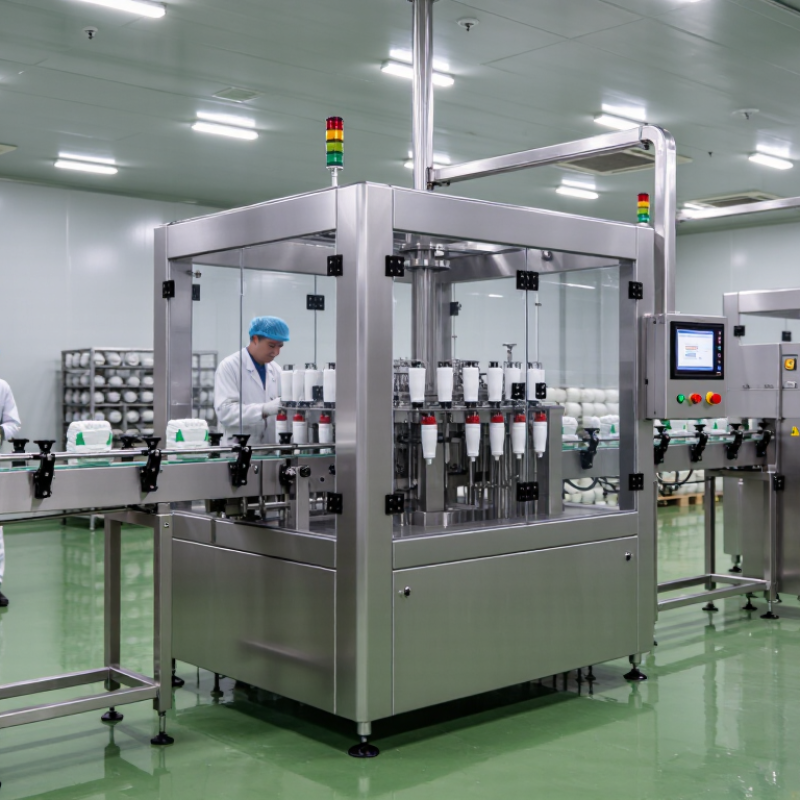
Define Your Production Goals and Adult Diaper Product Requirements
Before choosing an adult diaper machine, define the product you will actually sell. Grand View Research estimates that the global adult diapers market reached about USD 19.68 billion in 2024, with continued growth expected through 2030. Market estimates vary, but demand is clearly not one-size-fits-all. Decide whether your line will produce standard briefs, pull-up pants, overnight protection, or bariatric sizes. Each option changes the required forming, folding, elastic, and packaging systems.
Set measurable production targets. For example, specify daily output, operating hours, product sizes, absorbency levels, and acceptable rejection rates. A machine rated at 500 pieces per minute may not deliver that speed with thicker cores or frequent size changes. Ask for trial data using your intended fluff pulp, SAP, nonwoven fabric, and elastic materials. The ISO 15621 framework highlights the importance of evaluating absorbency, leakage protection, fit, and user comfort in absorbent products. These requirements should guide machine configuration.
Do not overlook changeover time. It affects labor, waste, and delivery reliability. Smithers’ industry analysis also identifies material efficiency and automation as major factors shaping hygiene-product manufacturing. A practical factory test should measure real output, not only the supplier’s maximum speed. Leave room for mistakes. Early forecasts are often too optimistic, especially when regional demand is uncertain. Start with flexible tooling, clear quality checkpoints, and production data you can verify.
7 Tips for Buying an Adult Diaper Machine
Define Your Production Goals and Adult Diaper Product Requirements
The chart shows practical planning benchmarks for three production scales. Machine speed is measured in pieces per minute, while effective uptime reflects scheduled production time after changeovers, maintenance, and minor stoppages. Actual requirements should be confirmed through product specifications, absorbency testing, staffing plans, and factory capacity.
Compare Machine Types, Features, and Production Capacities
7 Tips for Buying an Adult Diaper Machine
Tip 1: Compare machine types before comparing prices. Semi-automatic equipment suits small batches and frequent product changes. Fully automatic lines deliver higher output but require stronger technical support. Modular systems can grow later, although expansion may cost more than expected. Tip 2: Check the real production capacity. Ask for usable pieces per minute, not only the maximum speed. Confirm output for different sizes, absorbency levels, and product shapes. Tip 3: Examine changeover time. A practical machine should allow quick adjustments for waist sizes, core dimensions, and packaging formats. Long changeovers quietly reduce daily production.
Tip 4: Inspect essential features closely. Reliable tension control protects elastic quality, while accurate SAP dosing supports consistent absorbency. Check glue application, dust control, waste removal, sensor systems, and automatic rejection. Tip 5: Review operator safety and maintenance access. Guards should be easy to inspect, and common parts should be replaceable without complicated procedures. Small details matter. Tip 6: Request a production trial using your materials. Film, fluff pulp, elastic, and nonwoven fabric behave differently across machines. Trial data is more useful than a polished brochure. Tip 7: Calculate total ownership cost. Include electricity, compressed air, labor, spare parts, training, and planned downtime. A cheaper machine may become expensive after several months. Capacity figures can also be misleading. I would compare three months of realistic output, not one impressive test hour.
Evaluate Material Compatibility, Quality Control, and Automation
7 Tips for Buying an Adult Diaper Machine
Evaluate Material Compatibility, Quality Control, and Automation
Buying an adult diaper machine starts with the materials it must process. Ask for documented compatibility with nonwoven fabric, absorbent cores, elastic strands, adhesive, and breathable film. Request a live trial using your materials, not a convenient substitute. Watch tension changes, edge alignment, glue coverage, and core placement during speed variations. Small shifts can create leaks, waste, and uncomfortable product edges. Check whether the machine handles different sizes without lengthy tooling changes. That flexibility protects production when demand changes.
Quality control should be visible, measurable, and repeatable. Look for sensors detecting missing cores, broken elastics, poor seals, and incorrect registration. Confirm that alarms stop the affected section rather than the entire line. Review rejection accuracy using sample data from several production runs. Ask how operators calibrate sensors and record corrective actions. Clear manuals and traceable records matter more than impressive speed claims. Do not trust a perfect demonstration. Real factories are less tidy.
Automation should reduce repetitive work without hiding process weaknesses. Evaluate automatic splicing, tension control, packing interfaces, recipe storage, and remote diagnostics. Check whether operators can change settings safely and understand every warning. Accessible controls reduce training time and avoidable mistakes. Ask for uptime figures, maintenance schedules, spare-part availability, and installation training. I once underestimated changeover time; the lost hours were expensive. Leave room for improvement.
7 Tips for Buying an Adult Diaper Machine - Evaluate Material Compatibility, Quality Control, and Automation
| Tip | Evaluation Dimension | What to Inspect | Practical Benchmark or Requirement | Recommended Verification Method | Warning Signs |
|---|---|---|---|---|---|
| 1 | Match the Machine to Product Materials | Check compatibility with nonwoven topsheets, backsheet film, acquisition layers, elastic strands, hook-and-loop tapes, adhesives, superabsorbent polymer, and cellulose fluff pulp. | Each material should run at the intended product speed without tearing, blocking, excessive dust, adhesive bleed, or uneven tension. | Run a material trial using the actual production grades, roll widths, basis weights, core sizes, and adhesive formulations. | The supplier tests only generic materials or cannot provide material-changeover settings. |
| 2 | Confirm Product Size and Format Flexibility | Evaluate size range, product dimensions, waist and leg opening patterns, absorbent-core configuration, fastening system, and pull-on or tab-style capability. | The machine should support the required size range with repeatable dimensions and documented changeover procedures. | Request samples from at least two sizes and measure length, width, core position, leg-opening symmetry, and fastening alignment. | Frequent manual adjustments are required, or size changes cause high scrap and long downtime. |
| 3 | Assess Core-Forming and Absorbency Control | Inspect fluff-pulp opening, SAP dosing, core shaping, distribution control, compression, and containment of loose absorbent material. | Core weight, width, length, and SAP distribution should remain within documented production tolerances for every size. | Weigh finished cores at regular intervals and test liquid acquisition, retention, rewet, and leakage performance using a defined laboratory method. | Visible SAP clumping, thin zones, inconsistent core weight, or no method for controlling pulp and SAP ratios. |
| 4 | Examine Quality-Control Systems | Review online inspection for missing components, web breaks, splice detection, product position, contamination, seal integrity, and defective-product rejection. | Critical defects should be automatically detected and rejected without interrupting normal production; inspection limits must be adjustable and traceable. | Conduct a fault-insertion test by intentionally introducing missing elastics, open seals, incorrect components, and off-position materials. | Inspection relies mainly on operators, rejected products are not separated, or defect records cannot be exported. |
| 5 | Measure Automation and Data Visibility | Evaluate PLC control, servo drives, recipe management, automatic tension control, alarm history, production counters, downtime tracking, and remote diagnostics. | Operators should be able to select validated recipes, view major process parameters, and identify downtime causes from the human-machine interface. | Ask for a live demonstration of recipe changeover, alarm acknowledgement, parameter permissions, data export, and backup or restore procedures. | Critical parameters are changed manually, password control is absent, or the machine provides no production and downtime history. |
| 6 | Compare Throughput, Efficiency, and Changeover | Compare rated speed with usable output, startup waste, operating efficiency, material utilization, changeover time, and planned maintenance requirements. | Use measured good products per minute rather than headline speed; confirm performance under the exact product specification and material combination. | Run a sustained acceptance test and record line speed, good output, scrap, stops, changeover duration, and unplanned downtime. | The quoted speed excludes rejects, slow ramp-up, manual packing, material splices, or routine stoppages. |
| 7 | Verify Safety, Service, and Total Cost | Review guarding, emergency stops, interlocks, lockout points, noise exposure, compressed-air demand, electrical load, spare parts, training, and after-sales support. | The machine should include documented risk controls, operating manuals, preventive-maintenance schedules, recommended spare parts, and operator training. | Complete a factory acceptance test, safety inspection, installation review, and total-cost calculation covering utilities, labor, consumables, maintenance, and downtime. | Safety documentation is incomplete, critical spare parts have unclear lead times, or service responsibilities are not written into the contract. |
Check Supplier Experience, Technical Support, and Machine Reliability
7 Tips for Buying an Adult Diaper Machine
Supplier experience should be your first practical filter. Ask how many years they have built similar machines, not just packaging equipment. Request videos, production records, and contactable customer references. A factory visit can reveal useful details, such as spare parts storage, operator training areas, and maintenance routines. Seven years of general machinery experience may not equal seven years with absorbent hygiene products.
Technical support matters when a sensor fails during a night shift. Confirm response times, remote diagnosis methods, and engineer availability before signing. Ask whether manuals include wiring diagrams, fault codes, and clear adjustment steps. Insist on operator training with real materials, not only slides. Check commissioning support, language options, and the cost of onsite service. Small details become expensive quickly.
Machine reliability should be tested under continuous production conditions. Review speed stability, material waste, sealing quality, alarm records, and changeover time. A factory acceptance test should use your intended raw materials when possible. Check whether critical sensors and motors have documented alternatives. No machine is perfect. I have seen buyers focus on maximum speed and overlook cleaning access. That mistake can delay daily production. Ask for preventive maintenance intervals, expected component life, and a written spare-parts plan. Reliable equipment is not simply fast; it is predictable, serviceable, and supported after installation.
Calculate Total Costs, Operating Efficiency, and Return on Investment
7 Tips for Buying an Adult Diaper Machine
The purchase price is only the visible cost. Include installation, commissioning, molds, utilities, labor, spare parts, maintenance, financing, and downtime. A line priced at $900,000 may require another 15–25% for installation and startup, depending on factory conditions. Do not guess. Request five-year ownership estimates from suppliers.
Measure operating efficiency before discussing return on investment. Record line speed, actual uptime, changeover time, scrap rate, energy use, and labor hours. For example, a 600-unit-per-minute line running 16 hours daily, 26 days monthly, with 85% overall equipment effectiveness produces about 12.7 million units monthly. That figure changes quickly when material shortages or quality rejects appear. A spreadsheet can still lie.
Use contribution margin, not selling price, in your ROI model. Subtract materials, packaging, direct labor, energy, logistics, maintenance, and waste from revenue. Grand View Research reports a projected 6.7% compound annual growth rate for the adult diapers market from 2024 to 2030. UN DESA’s World Population Prospects 2022 also projects that one in six people worldwide will be over 65 by 2050. These trends support demand, but they do not guarantee sales. Divide total investment by monthly operating profit to estimate payback. Then test pessimistic assumptions: 70% efficiency, higher pulp prices, and two weeks of unplanned downtime. My own first estimate often looked too optimistic. Include training quality, sensor calibration, safety systems, and documented service response times before signing.
Related Posts
-
How to Choose the Best Adult Diaper Machine for Your Needs
-
Top 10 Diaper Manufacturing Equipment You Need for Efficient Production
-

Top Diaper Manufacturing Equipment for Global Buyers?
-
Why Choose an Adult Diaper Machine for Your Manufacturing Needs?
-
How to Choose the Right Adult Diaper Manufacturing Machine for Your Needs?
-

Top 10 Adult Diaper Machine Innovations You Should Know?