What Are Squeezable Lip Gloss Tubes?
What Are Squeezable Lip Gloss Tubes? They are flexible containers that dispense gloss when the user presses the tube. Most designs pair a squeezable body with a narrow opening, applicator tip, or separate wand. The package is part of the product experience. Its shape affects grip, dispensing, portability, and how much gloss remains inside.
Squeezable Lip Gloss Tubes are often made from plastic, though materials and construction vary by supplier and product needs. A soft tube can make application quick, especially when someone wants a small amount on the go. A firm cap and well-fitted opening help reduce leaks, but no design removes every risk. Small details matter. A tube that feels easy to squeeze may still dispense too much.
For transparency, the following is an original illustrative quote, not a verified statement from a real expert. Fictional packaging specialist Maya Chen puts the design challenge this way: “A good tube gives users control, without making the last drop a struggle.” That is a useful standard, though it is not a technical specification. Buyers should also consider the gloss’s thickness, the applicator style, and how the package performs during testing. A design that works for thin gloss may not suit a heavier formula. This trade-off deserves more attention. Understanding these basics makes it easier to compare tube styles and ask suppliers specific questions.
Definition and Core Structure of Squeezable Lip Gloss Tubes
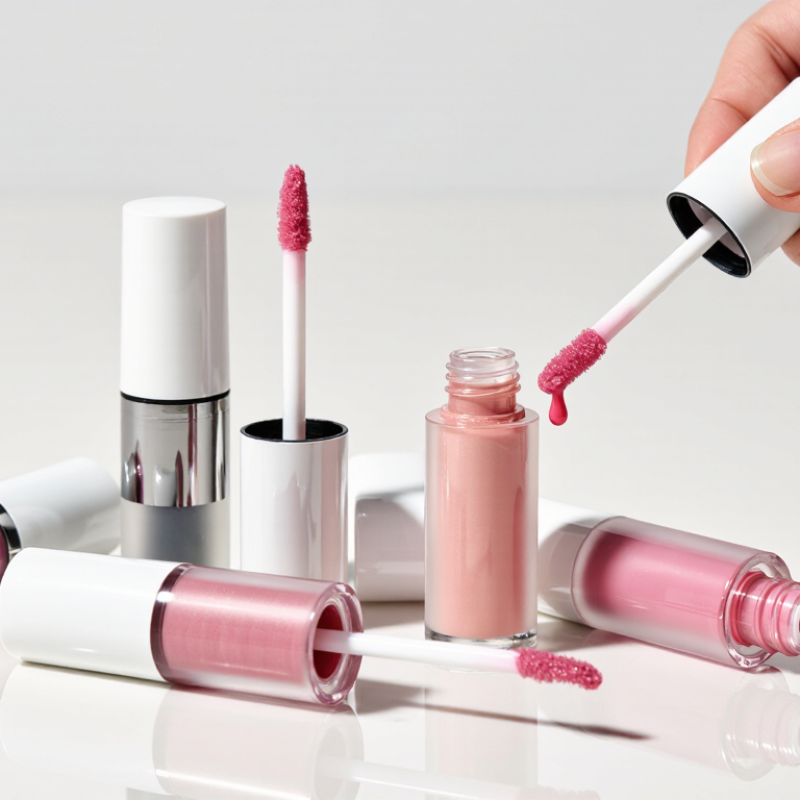
Squeezable lip gloss tubes are flexible containers that release product when the user applies gentle pressure. Their core structure usually includes a soft tube body, a shoulder, a dispensing tip, and a removable cap. The body holds the gloss, while the tip controls how it reaches the lips or an applicator. Simple in shape.
The tube body is often made from flexible plastic, though its thickness and construction can vary. Some tubes use several material layers to help limit air and moisture transfer. The shoulder connects the body to the narrower nozzle, and the nozzle opening is sized to suit the gloss’s thickness. A formula that is too thick may dispense unevenly; a very fluid one can emerge too quickly. That small detail matters.
A cap covers the tip between uses and may include a plug or seal to reduce leakage. In practice, the parts must work together: a firm squeeze should produce a controlled amount, not a sudden blob. Designers also consider how the tube feels in the hand and whether product remains trapped near the shoulder. That can be tricky. A tube may look convenient on a sample table, yet feel awkward after repeated use, so testing with the actual formula is important.
Materials Used in Tube and Applicator Components
Squeezable lip gloss tubes use flexible materials that let users control the amount dispensed. Low-density polyethylene, or LDPE, is common because it bends easily and returns toward its original shape. Some tubes use laminated layers, combining a printable outer surface with an inner barrier layer. That barrier can help limit contact between the formula and outside air. The exact structure depends on the gloss and its oils, pigments, and other ingredients. A material that works for one formula may not suit another.
The cap and applicator usually use firmer plastics, such as polypropylene or polyethylene. These materials help the closure stay secure and the wand remain steady during use. The applicator tip may have soft flocking, often made from synthetic fibers, to pick up and spread gloss across the lips. Small details matter: a narrow opening can control product flow, while a poorly matched wiper may leave too much gloss on the wand. Not glamorous, but important. Packaging developers typically assess formula compatibility, leakage, and dispensing performance before choosing a final combination. Testing conditions should reflect real use, including repeated squeezing and storage at different temperatures. A little uncertainty remains, since performance can vary with the formula and tube design.
How Squeezing Controls Product Dispensing
What Are Squeezable Lip Gloss Tubes?
How Squeezing Controls Product Dispensing
A soft tube works as a small pressure chamber. When fingers press its walls, the internal space shrinks and pushes gloss toward the opening. The amount released depends on squeeze force, duration, gloss thickness, and the size of the dispensing tip. A light press may produce a narrow bead; a harder press can release more than needed. Small adjustments matter.
When pressure stops, the tube walls partly recover, reducing the force pushing product outward. A narrow nozzle can slow the flow and help place gloss precisely. Control is imperfect. A cold room may make a thick formula move slowly, while warmth can make it flow more readily. It is tempting to blame the tube for every messy application. That is not always fair. The tube angle, finger pressure, and residue around the opening also affect dispensing. Wiping the tip and closing the cap after use helps keep the opening clean and limit leaks. It takes practice. Many people find that a gentle, brief squeeze gives better control than pressing continuously.
What Are Squeezable Lip Gloss Tubes?
How squeezing controls product dispensing
Squeezing a flexible tube raises pressure inside, pushing gloss through the opening. A firmer squeeze generally dispenses more product, while releasing pressure slows or stops the flow. The chart shows a normalized illustrative relationship, not measured results; actual dispensing varies with tube design, gloss thickness, and opening size.
Common Tube Shapes, Closures, and Applicators
Squeezable lip gloss tubes come in several practical shapes. Round tubes are easy to grip and fit neatly in small bags. Flat or oval tubes take up less space, though they can feel slippery with gloss on your fingers. Slim tubes are convenient for quick touch-ups, but a very narrow opening may dispense product slowly. Shape affects more than appearance; it changes how the tube feels and how much pressure you need.
Closures help control leaks and access. Screw caps usually hold firmly during travel, while flip-top caps open quickly but need a secure fit. Applicators vary, too. A slanted nozzle lets users spread gloss directly, and a soft doe-foot wand offers more precise application. Some tubes pair a small opening with a wand; others dispense through a rollerball. The best choice depends on the gloss texture and how much control you prefer. A design that looks tidy on paper may feel awkward in a real hand.
Tips: Test the tube with the actual formula before choosing a shape. Thick gloss may need a wider opening, while a runny formula benefits from controlled dispensing. Wipe the nozzle after use and close the cap firmly. Small details matter.
Typical Uses and Packaging Considerations
Squeezable lip gloss tubes are flexible containers that dispense product when pressed. They are commonly used for gloss, lip balm, and other smooth lip products. A soft tube can be easy to carry and lets users control how much product comes out. The opening may include a nozzle, roller, or applicator tip. Each option creates a different feel during application. Not every formula flows the same way. Thick gloss may need a wider opening, while a runnier formula can leak if the closure fits poorly.
Packaging choices affect both use and product protection. Consider the tube’s material, capacity, shape, and closure before selecting a design. A small tube fits a pocket, but it may need frequent refilling or replacement. A broader tube can hold more product, though it may feel less precise in a small makeup bag. Check that the material works with the formula and does not soften, crack, or change the product’s appearance. Test the cap for a secure fit, and examine the applicator for smooth, even dispensing. These details can be easy to overlook.
Tips: Fill a sample tube and test it upright, sideways, and inside a bag. Watch for leaks and trapped air. Try the applicator with the actual formula, not just water. Record any dispensing issues; a first design may need adjustment.
| Packaging Aspect | Typical Details | Uses and Considerations |
|---|---|---|
| What the package is | A flexible tube that dispenses lip gloss when gently squeezed. It commonly has a narrow dispensing opening or an attached applicator. | Suitable for portable, controlled application. The tube can be used on its own or as part of a secondary carton. |
| Typical product formats | Clear, tinted, shimmer, or moisturizing glosses, depending on the formula. | Formula viscosity and any suspended particles should be considered when selecting the opening and applicator. |
| Common tube materials | Flexible plastic, often polyethylene-based; multilayer constructions may also be used. | Material choice affects flexibility, appearance, barrier performance, decoration options, and recyclability. Confirm the exact structure with the packaging supplier. |
| Typical capacity | Small, travel-friendly formats are common. Capacity varies by product and package design; approximately 5–15 mL is a practical range for many lip gloss tubes. | Choose a fill volume that suits the intended use, product dosage, tube dimensions, and applicable labeling requirements. |
| Dispensing options | Options include a simple nozzle, a slanted tip, or a tube paired with a separate wand or applicator. | A narrow opening can help control the amount dispensed. Applicator shape should suit the formula and the desired application experience. |
| Closures and leakage control | Screw caps are common; some designs include a plug, reducer, or other seal at the dispensing opening. | Check closure fit and package integrity through leak, handling, and transport testing. The formula should not seep around the cap or dispensing tip. |
| Formula compatibility | Compatibility depends on the gloss ingredients, tube material, applicator, and closure components. | Conduct stability and compatibility testing to look for changes such as leakage, swelling, cracking, odor transfer, discoloration, or changes in formula performance. |
| Decoration and labeling | Common options include printed graphics, labels, and decorative finishes, depending on the tube construction. | Keep required product information legible on the tube or its accompanying packaging. Check print adhesion and appearance after handling and exposure to the product. |
| Consumer use and hygiene | The tube is generally intended for individual use and direct application or use with a designated applicator. | Design the opening to dispense cleanly and avoid unnecessary contact between the product and hands or other surfaces. |
| Storage and transport | Flexible tubes are lightweight and convenient to carry, but can be squeezed in a bag or during shipping. | Evaluate cap security, tube resilience, and leak resistance under expected storage and transport conditions. Provide suitable storage guidance where needed. |
| Sustainability considerations | Material combinations, labels, closures, and applicator parts can affect how readily a package can be sorted or recycled. | Review the complete package structure against local recycling guidance. Avoid making recyclability claims unless they are supported for the intended market and package design. |