
What Is Industrial Machinery and Equipment?
Industrial machinery and equipment form the physical backbone of modern production. The field includes machine tools, industrial robots, compressors, conveyors, turbines, pumps, and automated inspection systems. These assets convert materials into products, move heavy loads, and maintain controlled factory conditions. The phrase industry machinery equipment is broad, but its purpose is practical: reliable output, repeatable quality, and safer work.
The International Federation of Robotics reported 541,302 industrial robot installations worldwide in 2023. That marked a fifth consecutive record year. Deloitte’s 2024 Smart Manufacturing Survey found that 86% of manufacturing leaders expect smart manufacturing to become a major competitiveness driver within three years. The figures show momentum. They do not guarantee success. A connected machine can still produce poor results when maintenance, training, or process design is weak.
Industrial equipment is no longer judged only by purchase price. Energy use, uptime, cybersecurity, repair access, data quality, and lifecycle emissions now matter. Siemens President and CEO Roland Busch said, “The industrial metaverse will revolutionize the way we design, produce, and operate.” His statement reflects a wider shift toward digital twins, predictive maintenance, and simulation before physical installation. Still, technology should serve the process, not impress a presentation.
A useful definition must include people. Operators notice vibration, heat, noise, and unusual delays before software often does. Their experience can expose gaps in a specification or a vendor’s promise. This article examines what industrial machinery and equipment are, how major categories work, and why responsible selection requires evidence, technical judgment, and continuous review. The answers are practical, but not always simple.
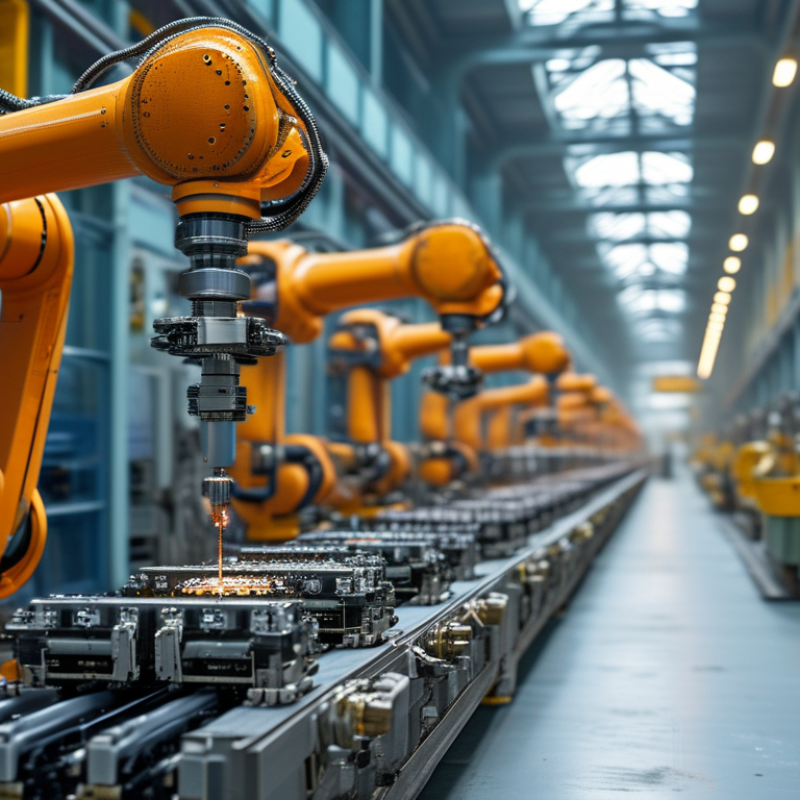
Definition and Scope of Industrial Machinery and Equipment
Industrial machinery and equipment covers the physical systems that make, move, process, test, and maintain industrial goods. Its scope includes machine tools, pumps, compressors, conveyors, cranes, boilers, power-transmission units, sensors, control panels, and production robots. It also includes replacement parts, installation services, maintenance software, and safety systems.
The boundary is not perfectly clean. A packaging line may combine mechanical equipment, electrical controls, and data software. Under the United Nations ISIC framework, machinery-related activities appear across several manufacturing divisions, including fabricated metal products, general machinery, electrical equipment, and transport equipment. This classification shows why industrial equipment is broader than factory machines alone. It supports energy, construction, agriculture, logistics, food processing, and many other sectors. According to the International Federation of Robotics’ World Robotics 2024 report, factories installed 541,302 industrial robots in 2023. The global operational stock exceeded 4.2 million units. These figures demonstrate how automation now belongs within the wider equipment ecosystem.
Tips: Define the equipment by function, not appearance. Check capacity, duty cycle, energy use, maintenance access, and integration requirements. A large machine is not always the best machine. Specifications can also hide practical limits. Confirm field conditions before comparing suppliers or calculating productivity.
Industrial machinery affects output, worker exposure, resource use, and downtime. Reliable evaluation requires technical evidence, operating records, and compliance documentation. Industry reports offer useful benchmarks, but site-level performance may differ. That gap deserves careful review.
What Is Industrial Machinery and Equipment? - Definition and Scope of Industrial Machinery and Equipment
| Dimension | Definition or Scope | Typical Examples | Primary Industrial Function |
|---|---|---|---|
| Basic Definition | Industrial machinery and equipment are mechanical, electrical, hydraulic, pneumatic, or digitally controlled assets used to produce, process, move, measure, or maintain industrial goods and services. | Production machines, material-handling systems, pumps, compressors, generators, and industrial control equipment | Converting raw materials, energy, and labor into finished products or operational output |
| Manufacturing Machinery | Equipment designed to form, cut, join, coat, assemble, or otherwise transform materials and components. | Machine tools, forming presses, industrial ovens, assembly machines, and packaging machinery | Material transformation and product assembly |
| Process Equipment | Equipment used to control physical or chemical processes involving fluids, gases, heat, pressure, or mixtures. | Reactors, tanks, heat exchangers, boilers, filtration systems, and industrial dryers | Heating, cooling, separation, reaction, storage, and fluid processing |
| Material-Handling Equipment | Systems and machines that transport, lift, position, store, or retrieve materials within industrial facilities. | Conveyors, cranes, hoists, industrial trucks, elevators, and automated storage systems | Internal logistics, loading, unloading, and workplace material movement |
| Power and Utility Equipment | Assets that generate, convert, distribute, or support the energy and utilities required for industrial operations. | Electric motors, transformers, generators, compressors, chillers, and air-handling units | Electricity supply, compressed air, cooling, heating, and ventilation |
| Automation and Control | Hardware and software that monitor, regulate, sequence, or optimize industrial processes and machines. | Sensors, programmable controllers, industrial robots, drives, machine-vision systems, and control panels | Repeatability, process control, safety interlocking, and production monitoring |
| Inspection and Measurement | Equipment used to verify dimensions, quality, performance, operating conditions, and compliance with technical requirements. | Coordinate-measuring equipment, weighing systems, pressure gauges, flow meters, and non-destructive testing tools | Quality assurance, calibration, process verification, and defect detection |
| Construction and Earthmoving Equipment | Heavy-duty mobile machinery used for excavation, grading, lifting, drilling, roadwork, and site preparation. | Excavators, loaders, bulldozers, graders, cranes, and drilling rigs | Earthmoving, infrastructure construction, lifting, and site development |
| Agricultural and Forestry Equipment | Specialized machinery used in crop production, harvesting, land management, timber handling, and related processing activities. | Tractors, harvesters, seeders, irrigation equipment, forestry loaders, and sawmill machinery | Planting, cultivation, harvesting, land management, and primary resource processing |
| Mining and Quarrying Equipment | Machines used to extract, crush, screen, transport, and process minerals and other geological materials. | Drills, crushers, screens, haulage systems, underground loaders, and mineral-processing equipment | Resource extraction, size reduction, material classification, and bulk transport |
| Environmental and Utility Treatment | Equipment used to manage water, wastewater, air emissions, solid waste, and industrial environmental conditions. | Water-treatment systems, dust collectors, scrubbers, compactors, and wastewater pumps | Pollution control, resource recovery, water purification, and waste management |
| Key Performance Indicators | Operational measures used to evaluate the productivity, reliability, safety, energy use, and lifecycle cost of equipment. | Throughput, availability, downtime, energy consumption, maintenance cost, reject rate, and service life | Improving productivity, asset utilization, product quality, safety, and total cost of ownership |
| Lifecycle Scope | The scope includes specification, design, procurement, installation, commissioning, operation, preventive maintenance, repair, upgrading, and decommissioning. | Equipment selection, installation planning, spare-parts management, inspections, refurbishment, and replacement | Ensuring safe, compliant, efficient, and reliable performance throughout the asset lifecycle |
Related Posts
-
Top 10 Types of Machines in the Machine Industry for Buyers
-
Essential Tips for Choosing the Right Machinery Machine?
-
What Is the Best Type of Small Manufacturing Machine?
-
How to Choose the Right Manufacturing Equipment for Your Business Needs
-
Top 10 Manufacturing Machinery and Equipment for Increased Efficiency
-

Top 10 Tips for Optimizing Manufacturing Machines for Maximum Efficiency