Why Choose a Post Hole Shovel?
Choosing the right tool can change an exhausting digging job into a controlled, manageable task. A Post Hole Shovel is designed for creating narrow, deep holes for fence posts, signs, mailboxes, and small garden structures. Its two opposing blades remove soil from confined spaces more efficiently than a standard spade.
That difference becomes obvious in firm ground. The blades bite into compacted soil, while the long handles provide useful leverage. With steady pressure, you can loosen a neat plug without widening the hole unnecessarily. I have found this especially helpful when setting posts along established lawns, where unnecessary damage is frustrating and expensive to repair.
Small details matter. Look for strong steel blades, secure handle connections, and grips that remain comfortable during repeated use. Fiberglass handles often resist weather better than unfinished wood, although quality varies between manufacturers. A lightweight model may reduce fatigue, but an overly light tool can feel weak in clay or gravel.
It is not a magic solution. Rocky soil may require a digging bar, and very dry ground may need moisture before excavation. Always check for underground utilities before breaking the surface. That simple step protects people, property, and the project itself.
The best Post Hole Shovel depends on soil conditions, hole depth, and your physical strength. A model that works beautifully in soft loam may struggle in dense clay. This is where product claims deserve careful thought. Read specifications, inspect the joint, and consider real user experience. A dependable shovel should feel balanced, dig cleanly, and remain trustworthy after many holes.
What Is a Post Hole Shovel?
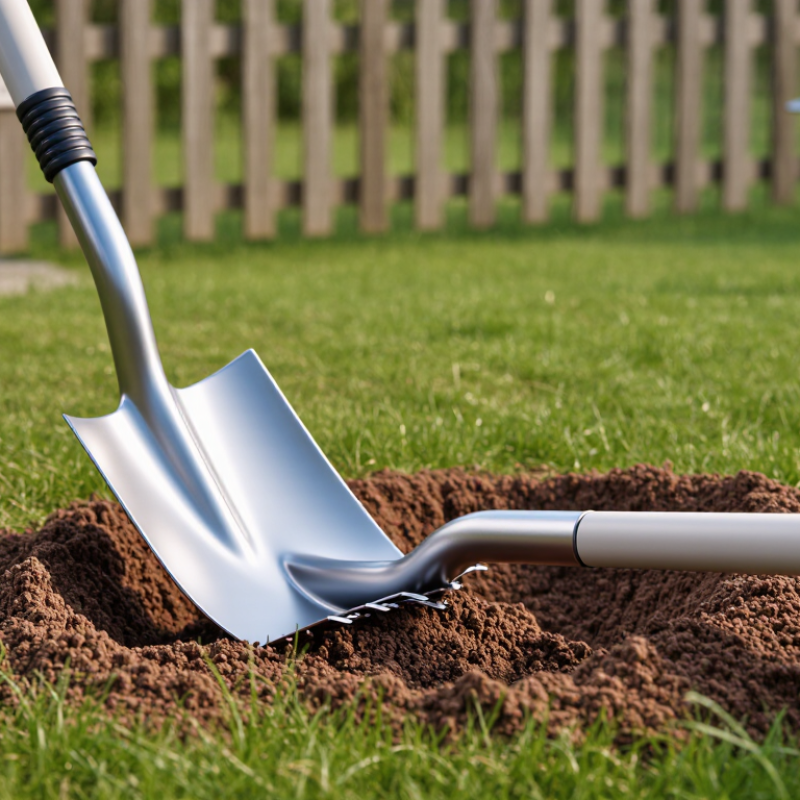
A post hole shovel is a hand tool designed to dig narrow, deep holes for fence posts, signs, garden structures, and small supports. It usually has two long handles connected to paired metal blades. When the handles close, the blades bite into the soil. When they open, they lift and remove it.
Unlike a standard spade, this shovel creates a tighter hole with less disturbance around the edges. I find it most useful in firm soil where a broad shovel feels awkward. The handles provide leverage, while the narrow blades help shape the hole’s sides. Still, the tool is not magic. Dense clay, gravel, or buried roots can slow the work considerably. A digging bar may be needed, but switching tools too quickly can make the hole uneven.
Good technique matters. Keep both blades aligned, press them into loosened soil, and lift small amounts at a time. Large scoops often strain the back and damage the hole’s shape. Check the depth with a measuring tape rather than relying on appearance. Soil can hide mistakes. Wear gloves and sturdy footwear, and inspect the digging area for concealed utilities before starting. I sometimes work too quickly and make the opening wider than planned, so pausing to check alignment is worthwhile. The shovel works best when its blades are clean, sharp, and free from loose connections.
Why Choose a Post Hole Shovel? — What Is a Post Hole Shovel?
A post hole shovel is designed to remove narrow, deep columns of soil for fence posts, signposts, mailbox posts, and similar installations. A common planning rule is to make the hole about three times wider than the post, providing room for alignment and backfill.
How a Post Hole Shovel Works
A post hole shovel works through two narrow, opposing blades joined by a hinge near the cutting edges. When the handles open, the blades separate and enter loosened soil. Squeeze the handles, and the jaws close around a compact plug. Lift vertically, then release the soil beside the hole. This repeated open, cut, close, and lift motion creates depth without widening the entire surface.
The tool performs best in firm, workable soil, not saturated clay or hidden rock. That distinction matters. In field use, I often test soil moisture with the blade before applying full force. A dry crust may need a digging bar or spade first. Forcing the jaws can strain the back and bend the edges.
Hole diameter depends on blade geometry, operator control, and the number of bites. Measured bites produce cleaner fence-post alignment than random scooping. The U.S. Bureau of Labor Statistics reported a 26% share for musculoskeletal disorders among private-industry days-away-from-work cases in 2022. This supports a practical rule: keep the shaft close to the body, use both hands, and avoid twisting during lifts.
I still make mistakes. Rushing the final few inches often leaves an uneven bottom or an oversized opening. Checking depth with a marked rod and clearing loose soil by hand improves consistency. OSHA’s landscaping guidance also emphasizes safe lifting and ergonomic planning, although a shovel cannot remove every risk.
Key Benefits of Using a Post Hole Shovel
Why Choose a Post Hole Shovel?
A post hole shovel is designed for controlled digging in narrow spaces. Its long, slim blades remove soil without widening the hole unnecessarily. This helps create cleaner openings for fence posts, mailbox supports, and garden structures. In firm clay, the pointed blades can break compacted layers more effectively than a standard spade. The tool also gives better control around existing roots, although thick roots may still require another cutting tool.
Using a post hole shovel can improve placement accuracy and reduce wasted backfill. A well-shaped hole supports more consistent post alignment. It may also reduce repeated digging, especially when the opening must reach a specific depth. From practical experience, keeping both handles balanced makes lifting soil easier. Still, the tool is not effortless. Wet clay can cling to the blades, while loose gravel may collapse the hole sides. I once measured too quickly and created a hole deeper than needed. That mistake cost extra filling material and time.
Tips: Mark the hole location before digging. Check the required depth with a measuring stick. Keep your feet clear of the blades. For dry soil, lightly watering the area can soften the surface, but avoid creating mud. Remove stones gradually instead of forcing the handles. Inspect the handles and pivot before work, since loose parts can affect control. A short pause can prevent rushed, uneven digging.
Types of Post Hole Shovels and Their Uses
Why Choose a Post Hole Shovel?
Types of Post Hole Shovels and Their Uses
A post hole shovel gives better control than a general digging spade. Its narrow blades remove soil without disturbing a wide area. The clamshell digger is useful for ordinary garden soil. Its two jaws lift loose earth from deep, narrow holes. A single-blade post hole shovel works better in compact soil. It can cut roots and square the hole’s edges. For stubborn ground, a digging bar may help first. Do not force the handles. That often bends the tool or damages the user’s wrists.
An auger-style digger removes soil quickly from repeated fence or planting work. Manual augers suit small projects and offer useful depth control. Powered augers save time, but they need firmer handling and careful ground checks. The USDA NRCS Web Soil Survey records slope, drainage class, and restrictive-layer depth. These details can guide tool selection before digging. Wet clay may need a narrow blade and repeated cleaning. Sandy soil may require a wider opening to prevent collapse. I still misjudge clay after rain. It looks soft, but it can grip the blade tightly.
The National Gardening Association’s 2023 survey reported that about 80% of U.S. households participated in lawn and garden activities during 2022. That level of activity explains the demand for practical hand tools. Choose a clamshell model for loose soil and routine holes. Choose a single-blade model for roots, edges, and harder ground. Match handle length to your height. A poor fit creates fatigue before the hole is finished.