What Are the Best Machine Industry Suppliers in China?

China remains a major sourcing destination for companies operating in the machine industry. Its supplier network covers precision machining, industrial automation, metal forming, packaging equipment, and complete production lines. However, choosing the right partner requires more than comparing online prices.

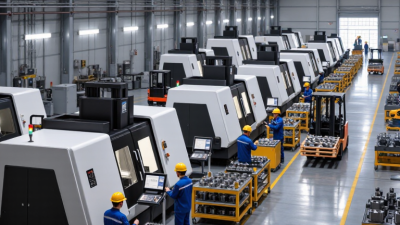
A dependable supplier should demonstrate practical manufacturing experience, stable quality systems, and clear technical communication. Factory visits can reveal important details, such as clean assembly areas, calibrated inspection tools, organized material storage, and active production schedules. Certifications may support credibility, but they should be verified against the supplier’s actual processes. Samples, inspection reports, and production records often provide stronger evidence.

Details matter greatly.

The best machine industry suppliers usually explain tolerances, lead times, maintenance needs, and warranty terms without hiding limitations. They should also provide responsive engineering support after delivery. This guide examines supplier capabilities, manufacturing regions, product specialization, export experience, and customer service standards. It also considers independent audits, reference projects, and transparent pricing.

No supplier list is permanently complete. Markets change. Factory performance can change, too. A company with excellent equipment may still struggle with communication or customized orders. That weakness deserves attention. Likewise, a smaller supplier may offer careful workmanship but lack global service coverage. Buyers should balance technical strength, production capacity, compliance, and long-term reliability before signing a contract. The following overview offers a practical starting point for identifying credible Chinese suppliers and making a more informed sourcing decision.
What Are the Best Machine Industry Suppliers in China?

Defining the Role of Machine Industry Suppliers in China

What Are the Best Machine Industry Suppliers in China?

Machine industry suppliers in China do more than sell equipment. They connect factory needs with practical engineering solutions. Their role may include design support, material selection, production, testing, packaging, and installation guidance. A capable supplier studies the buyer’s process before suggesting a machine. This prevents a common mistake: choosing equipment by price alone. In real workshops, floor space, power supply, operator skills, and maintenance access often matter just as much.

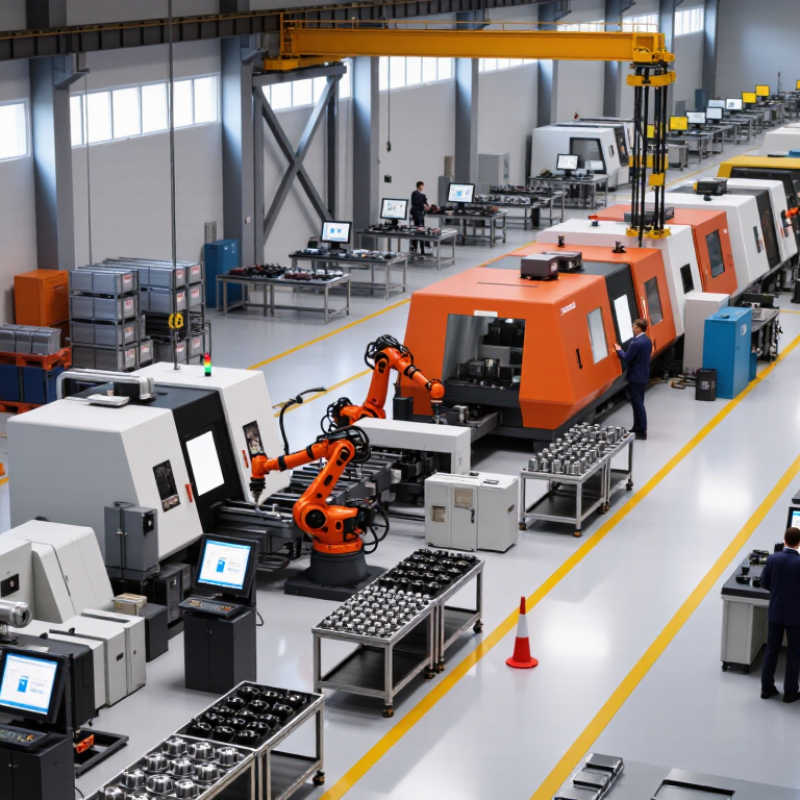
Reliable suppliers also act as quality-control partners. They should provide technical drawings, inspection records, operating instructions, and clear spare-parts information. Factory visits can reveal useful details, such as clean assembly areas, labeled components, and organized testing stations. Ask for sample reports and measurable performance data. Vague promises are not enough. A supplier’s response to technical questions can show its engineering depth.

After-sales support defines the relationship. Good suppliers explain commissioning steps, training schedules, warranty limits, and service response times. Communication should remain clear when specifications change. No supplier is perfect. Even experienced teams can misunderstand a tolerance or delivery condition. That is why written confirmations and stage inspections are essential. A thoughtful supplier welcomes these checks instead of treating them as distrust. Buyers should also review production capacity, export documentation, and safety practices before signing an agreement. Reliability is built through evidence, not attractive brochures.

What Are the Best Machine Industry Suppliers in China?

Defining the role of machine industry suppliers in China through the main capabilities buyers typically evaluate.

The benchmark weights represent a practical procurement framework rather than market share or company-specific performance. Quality assurance, engineering support, delivery reliability, customization, and after-sales service are central roles for industrial machine suppliers.

Key Criteria for Evaluating Chinese Machine Suppliers

Choosing Chinese machine suppliers requires more than comparing quotations. In factory visits, I examine production flow, operator training, and maintenance records. A clean showroom is not enough. Ask how long the supplier has built the specific machine type. Request recent delivery examples, not old photographs. Skilled suppliers explain tolerances, material grades, and testing methods without vague promises. Their answers should match technical drawings and purchase specifications.

Reliability becomes visible in documentation. Check business licenses, relevant certifications, calibration records, and quality-control procedures. Confirm whether inspections occur during machining, assembly, and final testing. Ask for serial-number traceability and a sample inspection report. Practical testing matters. Run a witnessed trial using your material and operating cycle. Measure noise, accuracy, output, and emergency-stop performance. A supplier may pass a demonstration yet struggle with your real workload.

Communication deserves equal weight. Clarify lead times, spare parts, installation support, training, warranty boundaries, and response times in writing. Compare total cost, including tooling, packaging, freight, and local integration. Speak with verifiable customers when possible. One uncomfortable lesson: the lowest quote can hide weak controls. I have also seen technically strong suppliers lose trust through delayed updates. That weakness should not be ignored. Use staged payments linked to documented milestones, while reviewing every change before production starts.

Leading Categories of China’s Machine Industry Suppliers

China’s machine industry suppliers are strongest when evaluated by category, not by promotional rankings.

The China Machinery Industry Federation reported that China’s machinery sector generated more than RMB 30 trillion in operating revenue in 2023. That scale supports deep supplier networks, but quality still varies.

CNC machine-tool suppliers

serve metalworking plants, automotive production, and precision-component workshops. Buyers should check spindle accuracy, thermal stability, and documented inspection records.

Industrial automation suppliers

provide robots, controllers, sensors, and machine-vision systems. The National Bureau of Statistics recorded about 429,000 industrial robots produced in China during 2023. This figure shows manufacturing depth, not guaranteed performance.

Construction and agricultural machinery form another major category. These suppliers often compete through hydraulic efficiency, spare-parts availability, and field service.

Components suppliers provide motors, gearboxes, bearings, drives, and control cabinets. Their small parts can determine a whole machine’s reliability.

I have found that sample testing reveals more than a polished factory tour. Request batch records, load-test videos, and a live acceptance test.

The labels are imperfect. Some suppliers assemble imported modules while claiming full manufacturing capability. Buyers should verify production ownership, calibration methods, warranty response times, and export documentation.

A low quotation may conceal expensive downtime.

How to Compare Supplier Quality, Technology, and Pricing

Choosing the best machine industry supplier in China requires more than comparing catalog prices. In supplier evaluations, I begin with quality evidence: material certificates, inspection records, calibration dates, and sample test results. A clean showroom proves little. I prefer a live production-floor review, where operators explain tolerances, maintenance routines, and common defects. Ask for recent defect records, not only successful case studies. Numbers can mislead.

Technology should match your actual production needs. Examine machine accuracy, control systems, software compatibility, energy use, and spare-part availability. Request a sample run using your material and target specifications. Watch cycle consistency, surface finish, noise, and temperature changes. The fastest machine is not always the most useful. A supplier should also explain upgrade paths and remote support response times. Vague answers deserve careful review.

Pricing must include the full operating picture. Compare equipment cost, tooling, installation, training, freight, maintenance, and expected downtime. A low quotation may hide expensive replacement parts or limited technical support. Use the same specification sheet for every supplier. This makes differences easier to measure. I once focused too heavily on the initial price and underestimated training delays. That mistake changed my evaluation method. Now, I request a written timeline, warranty scope, payment stages, and acceptance criteria before making a decision. Conditions may still change, so keep a reasonable contingency.

Selecting the Right Chinese Supplier for Your Business Needs

What Are the Best Machine Industry Suppliers in China?

Selecting the right Chinese supplier requires more than comparing prices. Examine factory experience, production capacity, engineering skills, and quality controls. Ask for process records, material certificates, and recent inspection reports. A reliable supplier should explain tolerances clearly and identify possible production risks.

Request a sample before approving a large order. Check its surface finish, dimensions, packaging, and performance under realistic working conditions. Small details matter.

Tips: Visit the facility when possible. Observe machining areas, storage conditions, testing equipment, and worker safety practices. Ask who will manage your project and how often updates will arrive. Confirm lead times, minimum order quantities, payment terms, spare parts, and warranty responsibilities in writing. Video inspections can help, but they cannot replace independent checks. A polished website proves little.

Communication is another practical test.

Send a technical drawing and note how carefully the supplier responds. Strong partners ask useful questions instead of promising everything immediately. Be cautious when a quotation is dramatically lower than others. It may exclude testing, tooling, protective packaging, or after-sales support.

Some buyers focus too heavily on the first order price. That can be a costly mistake. Even experienced teams sometimes overlook local holidays, translation gaps, or changes in material availability. Leave time for revisions. Perfect planning is rarely possible.