
Top Automatic Sanitary Napkin Machine Manufacturers for Global Buyers
Choosing a manufacturer for an automatic sanitary napkin machine is a major production decision, not just a price comparison. The right line must match the product format, output target, available floor space, and team experience. Buyers should look beyond brochure images. Ask how the machine handles material changes, product-size adjustments, and routine cleaning. A clear answer matters.
Details on the factory floor matter. Check the forming section, absorbent-core feeding, sealing units, control panel, and finished-product transfer. Ask for a live test using materials close to your planned specifications. Watch for stable feeding and consistent seals. Small faults can become costly downtime.
This guide introduces manufacturers serving international buyers and explains what to assess before requesting a quotation. Useful questions include installation scope, operator training, spare-part availability, and remote technical support. Confirm what is included in writing. Do not assume every supplier defines “turnkey” in the same way.
A polished catalog is only one signal. The service record tells more. Where possible, speak with existing customers and request references for comparable equipment. Compare production figures carefully; actual performance depends on product design, materials, and operating conditions. A fast quoted speed may not reflect everyday output.
Some details remain uncertain until a trial. That is normal. Buyers should document their requirements, verify claims, and allow time for practical checks. The strongest choice is not always the most complex machine. It is the one a trained team can operate reliably, maintain safely, and support as demand changes.
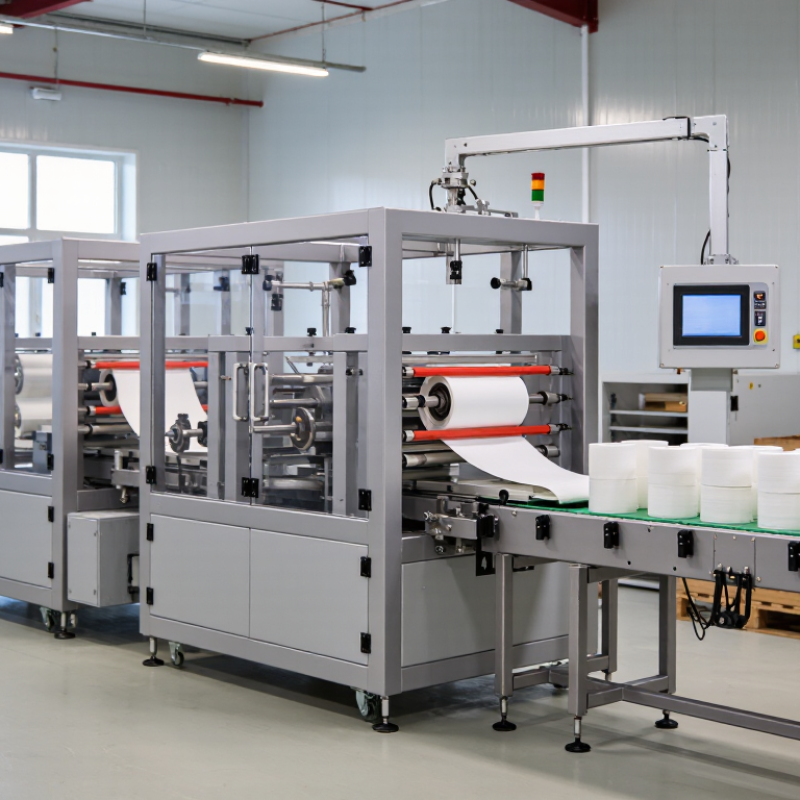
Sanitary Napkin Machine Basics: 5 Core Stages from Unwinding to Packaging
Top Automatic Sanitary Napkin Machine Manufacturers for Global Buyers
Sanitary Napkin Machine Basics: 5 Core Stages from Unwinding to Packaging
A sanitary napkin line begins with unwinding: large rolls of nonwoven fabric, film, and absorbent materials feed into the machine under controlled tension. If tension varies, wrinkles or misalignment can appear downstream. Operators watch the roll edges and web guides closely. Small shifts matter.
Next, the absorbent core is formed, often from fluff pulp and superabsorbent material. The core is shaped to the required dimensions, then combined with other layers. Topsheet and backsheet materials are laminated around it. Depending on the machine design, adhesive application and sealing methods vary. A neat-looking product still needs checks for placement, bonding, and consistent thickness.
The line then cuts products to shape, stacks them, and transfers them to packaging. Sensors can flag missing products or irregular spacing, but setup and maintenance remain important. In real production, these stages do not always run perfectly in sequence; a minor material change can require adjustments across several stations. That part is easy to underestimate.
Tips: Ask suppliers about changeover time, material compatibility, and accessible cleaning points. Request a trial using your intended materials, and inspect samples for seal strength, core position, and cut quality. Be specific about output targets. They need context.
| Core Stage | What Happens | Typical Machine Modules | Materials or Product Features | Useful Quality Checks | Buyer Specification to Confirm |
|---|---|---|---|---|---|
| 1. Unwinding and Web Feeding | Roll materials are unwound, guided, and fed into the production line. Tension and alignment controls help keep each web stable as line speed changes. | Unwind stands, web guides, tension controls, splicing arrangements, and roll-change systems. | Common roll-fed materials include topsheet nonwoven, backsheet film or laminate, release paper, and acquisition or distribution layers. The exact material set depends on product design. | Web tracking, tension stability, splice handling, and roll-width compatibility. | Confirm supported material widths, roll diameters, core sizes, splice method, and whether roll changes can be made while the line is running. |
| 2. Absorbent Core Preparation and Forming | Absorbent material is prepared and formed to the required product shape. Depending on the design, the core may combine fluff pulp with superabsorbent polymer (SAP). | Pulp defibrator, forming chamber or drum, SAP dosing unit, core transfer, and dust extraction systems. | Core composition, dimensions, and absorbent-material distribution vary by product specification and target market. | Core weight and shape consistency, material distribution, and dust-control performance. | Ask which core structures and material combinations are supported, and how core weight and SAP dosing are monitored and adjusted. |
| 3. Layer Assembly and Bonding | The core and cover materials are brought together in the specified order. Adhesive, embossing, or other bonding methods may be used as required by the design. | Layer combining stations, adhesive application units, embossing or bonding rolls, and transfer conveyors. | Product constructions may include a topsheet, absorbent core, acquisition layer, backsheet, side features, and optional wings. | Layer alignment, adhesive application, bond integrity, and placement of wings or other features. | Confirm supported product constructions, adhesive types, changeover requirements, and the adjustment range for layer placement. |
| 4. Shaping, Cutting, and Product Conversion | Combined materials are cut and converted into individual pads. Depending on the product, the line may form contours, wings, channels, or other design features. | Rotary cutters, contour-forming tools, folding mechanisms, and product-transfer systems. | Pad length, width, contour, wing configuration, and fold pattern are set by the product design and tooling. | Cut accuracy, product dimensions, fold consistency, and detection of incomplete or damaged pads. | Check available tooling formats, changeover time, dimensional tolerances, and whether format parts are included with the line. |
| 5. Inspection and Packaging | Finished pads may be counted, folded, individually wrapped if required, and grouped into retail packs. Pack formats depend on the market and customer specification. | Product counters, vision or sensor inspection, individual wrappers, stackers, baggers or cartoners, and case-packing equipment. | Packaging can include individual wraps, retail bags, cartons, and shipping cases; not every line includes every packaging step. | Product count, wrapper or pack seal integrity, print or code presence where specified, and rejection of detected defects. | Confirm pack count and format, packaging-material compatibility, coding needs, inspection and reject functions, and the required downstream equipment. |
Related Posts
-
China Top Automatic Sanitary Napkin Machine Supplier?
-
Top Pad Manufacturing Machine Manufacturers and Suppliers
-
How to Choose a China Top Automatic Sanitary Napkin Machine?
-
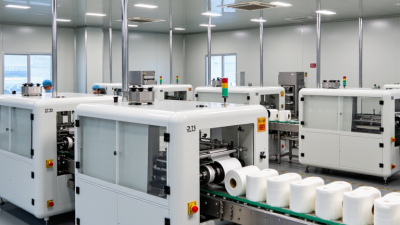
How to Choose Sanitary Napkin Machines for Your Business?
-
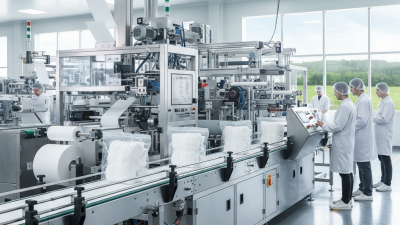
How to Choose the Best Adult Diaper Manufacturing Machine for Your Business?
-
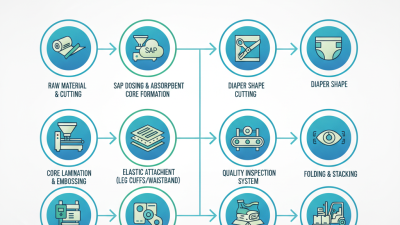
Top 10 Diaper Manufacturing Equipment You Need for a Successful Factory