2026 Top Machine Industry Trends for Global Buyers?

Global machine buyers are entering a more demanding market in 2026. Equipment must deliver productivity, energy efficiency, cybersecurity, and dependable after-sales support. A lower purchase price no longer guarantees value. Factory managers now examine sensor accuracy, spare-part availability, software updates, and technician response times.

Klaus Schwab, founder and executive chairman of the World Economic Forum, described Industry 4.0 this way: “The Fourth Industrial Revolution creates a world where virtual and physical systems of manufacturing cooperate with each other in a flexible way at the global level.” His observation remains highly relevant to the machine industry. Connected production lines are becoming practical, not theoretical. A CNC machine can report abnormal vibration before a costly stoppage. A packaging system can adjust settings from production data. These details influence real purchasing decisions.

Yet technology alone is not enough. Buyers still need clear specifications, verified certifications, transparent warranties, and evidence from comparable factories. A smart machine with weak local support may become an expensive problem. That risk is easy to underestimate.

Regional priorities will differ. European buyers may focus on energy performance and compliance. Asian manufacturers may prioritize speed, automation, and scalable capacity. North American companies may seek resilient supply chains and integration with existing software. These patterns are useful, but they are not universal.

This guide examines the 2026 machine industry trends shaping global purchasing decisions. It considers automation, artificial intelligence, sustainable manufacturing, predictive maintenance, robotics, and supplier reliability. Some forecasts will prove incomplete. Markets change quickly. Careful buyers should question every promise, test performance where possible, and measure long-term operating costs before signing a contract.

2026 Top Machine Industry Trends for Global Buyers?

Defining the Global Machine Industry in 2026

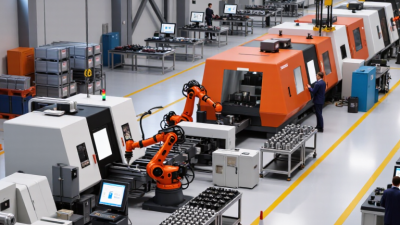
Defining the Global Machine Industry in 2026 means looking beyond equipment sales. Buyers now evaluate connected production lines, energy use, maintenance access, and workforce capability. The International Federation of Robotics reported 541,302 industrial robots installed worldwide in 2023. Its data also showed more than 4.2 million robots operating globally. This signals a mature automation market, not a temporary purchasing trend.

Machine builders increasingly compete through measurable performance. Deloitte’s 2024 Smart Manufacturing and Operations Survey found that 92% of surveyed executives viewed smart manufacturing as a primary competitiveness driver within three years. For global buyers, that means checking data compatibility, cybersecurity controls, spare-part availability, and technician training before signing contracts. A polished machine is not enough. The service network matters.

Energy efficiency will shape purchasing decisions in 2026. The International Energy Agency continues to identify industrial efficiency as a major route for reducing manufacturing energy demand. Buyers may request motor-efficiency records, standby-power figures, and maintenance intervals. These details become visible on a factory floor: fewer emergency stops, cooler control cabinets, and steadier production cycles. Yet global comparisons remain imperfect. Reporting methods differ, and projected savings may not match older facilities. Careful buyers should test claims under real loads, inspect operating records, and leave room for human judgment.

Key Technologies Reshaping Machine Manufacturing

2026 Top Machine Industry Trends for Global Buyers?

Machine manufacturing is moving from isolated equipment toward connected production systems. Digital twins now help engineers test motion, heat, and material stress before cutting metal. A virtual model can reveal a weak bearing position in minutes. That saves trial parts and reduces costly rework.

Artificial intelligence is also changing maintenance practices. Sensors track vibration, temperature, pressure, and power use during each production cycle. Software can detect unusual patterns before a spindle fails.

However, data still lies when sensors are poorly calibrated. A clean dashboard cannot repair a bad measurement. Skilled technicians remain essential for checking alarms and deciding when to stop a machine.

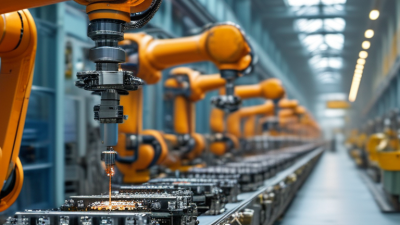
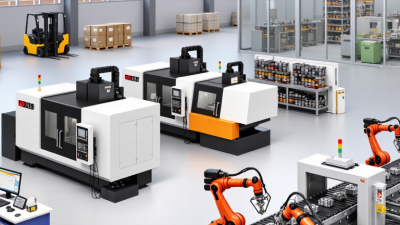
Robotics, additive manufacturing, and flexible automation are reshaping factory layouts. Collaborative robots can handle repetitive loading tasks beside trained operators. Additive processes support lightweight tooling and faster prototype changes. Energy monitoring is becoming equally important, especially for buyers comparing lifetime operating costs. Secure machine networks matter too. Connected equipment creates new cyber risks, so access controls and regular updates should be part of procurement requirements. The transition is not neat. Older machines may lack digital interfaces, forcing manufacturers to combine modern controls with manual inspection. Global buyers should examine integration quality, operator training, service response, and measurable production results rather than choosing technology by appearance alone.

Major Equipment Trends Across Global Markets

Global equipment buyers are entering 2026 with more cautious investment plans. Energy efficiency, automation, and easier maintenance are shaping purchasing decisions across major markets. Buyers increasingly request machines that reduce idle power, monitor wear, and support remote diagnostics.

Regional needs remain different. European factories often prioritize lower emissions, worker safety, and detailed documentation. North American buyers may focus more on production flexibility, labor efficiency, and rapid servicing. In Southeast Asia, compact equipment, modular upgrades, and simple operator training can matter more than maximum output. Local conditions decide.

Supply reliability is also becoming a technical issue. Experienced buyers now examine spare-parts availability, software support, installation skills, and response times before comparing prices. A machine can perform well in a showroom but struggle in a humid plant with unstable power. Field testing matters. So does honest data.

Digital monitoring will expand, but it will not solve every problem. Poor sensor placement can produce misleading alerts. Weak connectivity can interrupt useful reports. Buyers should request trial data from similar working environments and confirm who owns operational information. This step is often skipped.

Maintenance design is gaining attention. Easy access to filters, motors, and control panels can reduce costly downtime. Some manufacturers may promise full automation, yet operators still need clear controls and practical training. That gap deserves scrutiny. The best equipment trend may be simpler machines that work reliably across changing markets.

Buyer Criteria for Selecting 2026 Machine Suppliers

For global buyers in 2026, machine selection begins with evidence, not attractive specifications. A supplier should explain cycle time, tolerance, energy use, and maintenance access clearly. Ask for recent test records, factory acceptance procedures, and references from similar production environments. Real experience matters here. A polished brochure cannot reveal vibration after six months. Request sample parts made from your material under documented conditions. Measure them independently before approving the purchase.

Supplier reliability also depends on engineering depth. Check whether technicians can adjust controls, diagnose alarms, and support remote commissioning across time zones. Spare-part lists should show lead times, storage conditions, and compatible alternatives. Training should include operators, maintenance staff, and supervisors, with practical fault scenarios. Look closely at software updates and data protection. These details often decide whether a machine remains productive or becomes an expensive idle asset.

Cost still matters, but the lowest quotation can hide installation work, tooling changes, or difficult calibration. Compare ownership costs over five years, including electricity, consumables, service visits, and planned downtime. Clarify warranty limits and response times in writing. I would also inspect the supplier’s production floor, if possible. Uneven housekeeping is not proof of poor quality, but it deserves questions. Some buyers overvalue automation and underestimate operator learning time. That mistake is easy to repeat. Leave room for local conditions, changing workloads, and honest feedback after the first production run.

Challenges and Opportunities in International Machine Trade

2026 Top Machine Industry Trends for Global Buyers?

International machine trade in 2026 will be shaped by practical efficiency, traceability, and regional service capacity. Global buyers are comparing more than purchase prices. They examine energy use, spare-part access, operator training, and delivery risks before signing contracts. A machine that saves ten percent energy but waits six weeks for a sensor can become expensive. That detail matters.

Trade barriers remain uneven across markets. Tariff changes, customs documentation, currency swings, and local safety requirements can disrupt an otherwise solid project. Experienced buyers now request digital technical files, test records, origin documents, and clear warranty terms. They also verify whether remote diagnostics protect production data and whether local technicians can respond quickly. Promises need evidence. Factory acceptance tests, video inspections, and sample production runs reduce avoidable disputes.

The opportunity is growing for suppliers that adapt machines to local conditions. Compact automation, lower-power systems, and modular upgrades can help smaller factories improve output without replacing entire production lines. Financing and leasing may widen access, but payment schedules must match realistic production gains. Buyers should question impressive forecasts. Installation quality, worker skills, and maintenance discipline often decide the final result. Some procurement plans still underestimate training time; that is a costly weakness. A balanced contract should define performance data, spare-part lead times, cybersecurity duties, and escalation procedures.

2026 Top Machine Industry Trends for Global Buyers

Challenges and opportunities in international machine trade

Opportunity

Rising industrial robot installations indicate continued demand for automation, flexible production systems, and digitally connected machinery.

Challenge

International buyers must manage higher financing costs, longer qualification cycles, logistics risks, cybersecurity requirements, and after-sales support across borders.

Buyer Focus for 2026

Prioritize total cost of ownership, energy efficiency, interoperability, spare-parts availability, compliance documentation, and supplier resilience.

Data source: International Federation of Robotics, World Robotics 2025. Global annual industrial robot installations, measured in units.